
2026-10-08 · Mike Henderson
Dealing with Frozen Drain Lines During Missouri Winters
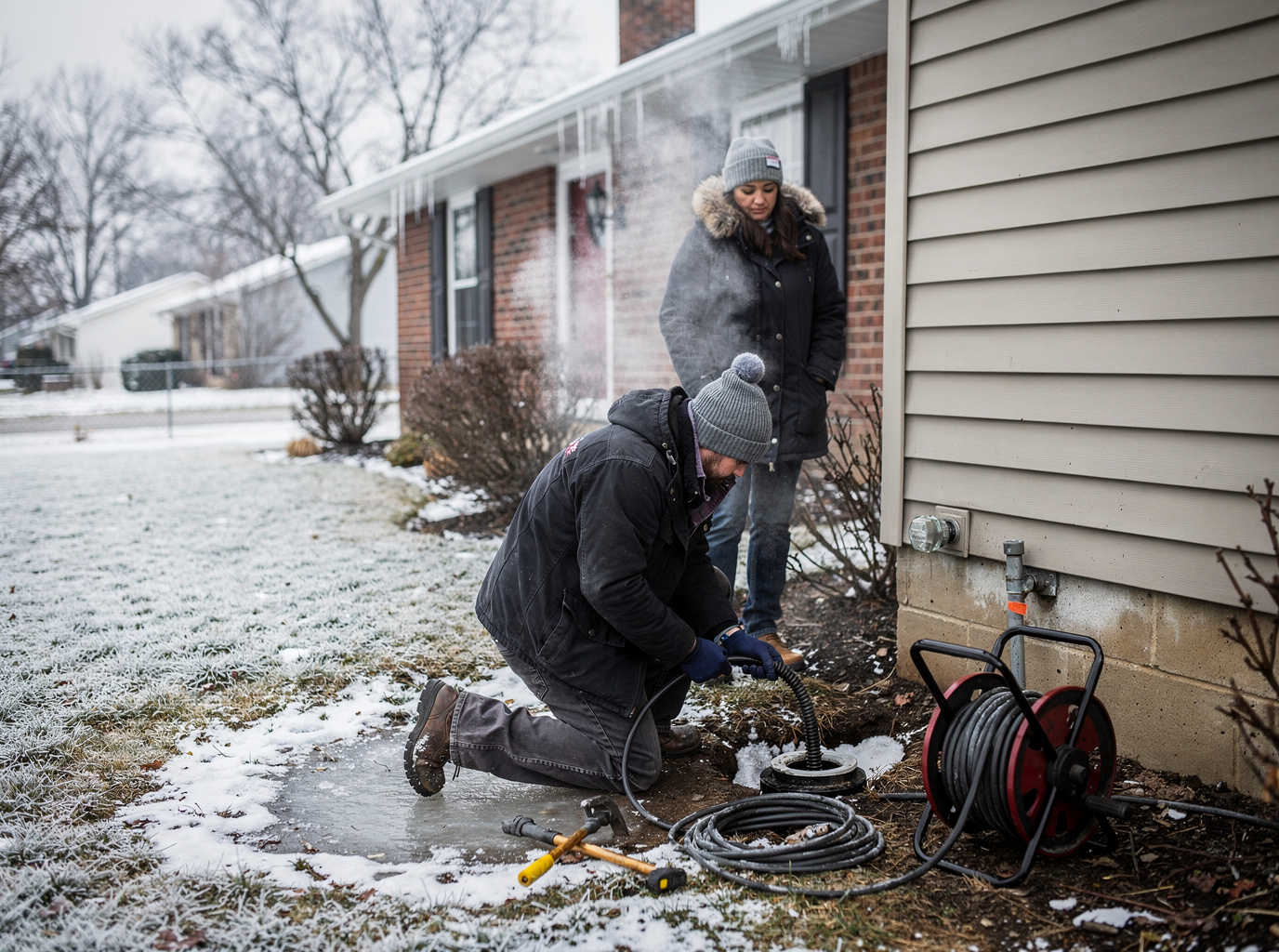
Frozen drain lines can quickly turn into a major headache for homeowners across Missouri once winter temperatures consistently dip below freezing. The direct answer to dealing with them is proactive prevention, but if you find yourself with a frozen line, gentle thawing methods are key. Aggressive approaches can cause pipes to burst, leading to far more extensive and expensive repairs than the initial freeze. In the Across Missouri area, where older homes are common and pipes may run through unheated crawl spaces or exterior walls, the risk is particularly high.
Why Drain Lines Freeze in Missouri Winters
Missouri winters bring fluctuating temperatures that can easily drop well below freezing for extended periods, especially in areas like the northern parts of the state or closer to the Missouri River where cold air settles. This makes drain lines, particularly those with slow drainage or those running through uninsulated exterior walls, highly susceptible to freezing. Unlike water supply lines, drain lines often contain standing water or slow-moving wastewater, which freezes more readily. Homes in older neighborhoods, common in cities like Kansas City, MO, or Saint Charles, MO, often have plumbing that wasn't designed with modern insulation standards, making them more vulnerable. Even a small amount of water left in a trap or a section of pipe can expand when frozen, potentially cracking or bursting the pipe.
The primary culprits are pipes exposed to cold air, such as those in unheated basements, crawl spaces, attics, garages, or exterior walls. A slow draining sink or shower can also exacerbate the problem, as the constant presence of water in the pipe allows more time for freezing to occur. If you've been noticing a drain that's not clearing as quickly as it should, addressing that issue before winter hits is a smart move. Factors like poor insulation, drafts, or even a small crack in your foundation can expose pipes to freezing temperatures, turning a minor issue into a significant plumbing emergency.
Signs of a Frozen Drain Line
Identifying a frozen drain line early can prevent a burst pipe. The most obvious sign is when water simply won't drain from a sink, tub, or toilet, or drains extremely slowly, despite not having a typical clog. This is different from a regular clog because you might not hear gurgling sounds, and plungers often have no effect. Another indicator is a foul odor emanating from drains; as water freezes, it can block gases from escaping, leading to unpleasant smells in your home.
You might also notice frost on exposed pipes in unheated areas, or sections of pipe that feel unusually cold to the touch. If you suspect a frozen line, it's crucial to act quickly. Ignoring these signs can lead to a burst pipe, which can cause significant water damage to your home, structural issues, and mold growth. For instance, a burst pipe in a finished basement could mean thousands of dollars in repairs, far exceeding the cost of addressing a frozen line proactively. If you're experiencing a complete blockage and suspect freezing, it's often best to call a professional for Emergency Drain Cleaning to prevent further damage.
Immediate Steps to Take for a Frozen Drain
If you discover a frozen drain line, your first priority is to stop using that drain immediately to prevent water from backing up and overflowing. Next, try to locate the frozen section of the pipe. This is usually where the pipe runs through an unheated space or an exterior wall. Once located, you can attempt to thaw it gently. Never use an open flame or high-heat devices, as this can damage pipes or even start a fire. Instead, try these methods:
- Apply Heat Gently: Use a hairdryer on a low setting, a heat lamp, or wrap the pipe with towels soaked in hot water. Electric heating pads can also be effective. The goal is to gradually raise the pipe's temperature.
- Increase Room Temperature: If the pipe is in an unheated room, like a basement or garage, use a space heater to raise the ambient temperature. Ensure proper ventilation and keep flammable materials away from the heater.
- Open Faucets: Once you start thawing, open the faucet connected to the frozen drain slightly. This allows melting ice to escape and helps relieve pressure, which can accelerate the thawing process.