
2026-10-08 · Mike Henderson
Drain Care Tips for Rural Properties with Septic Systems
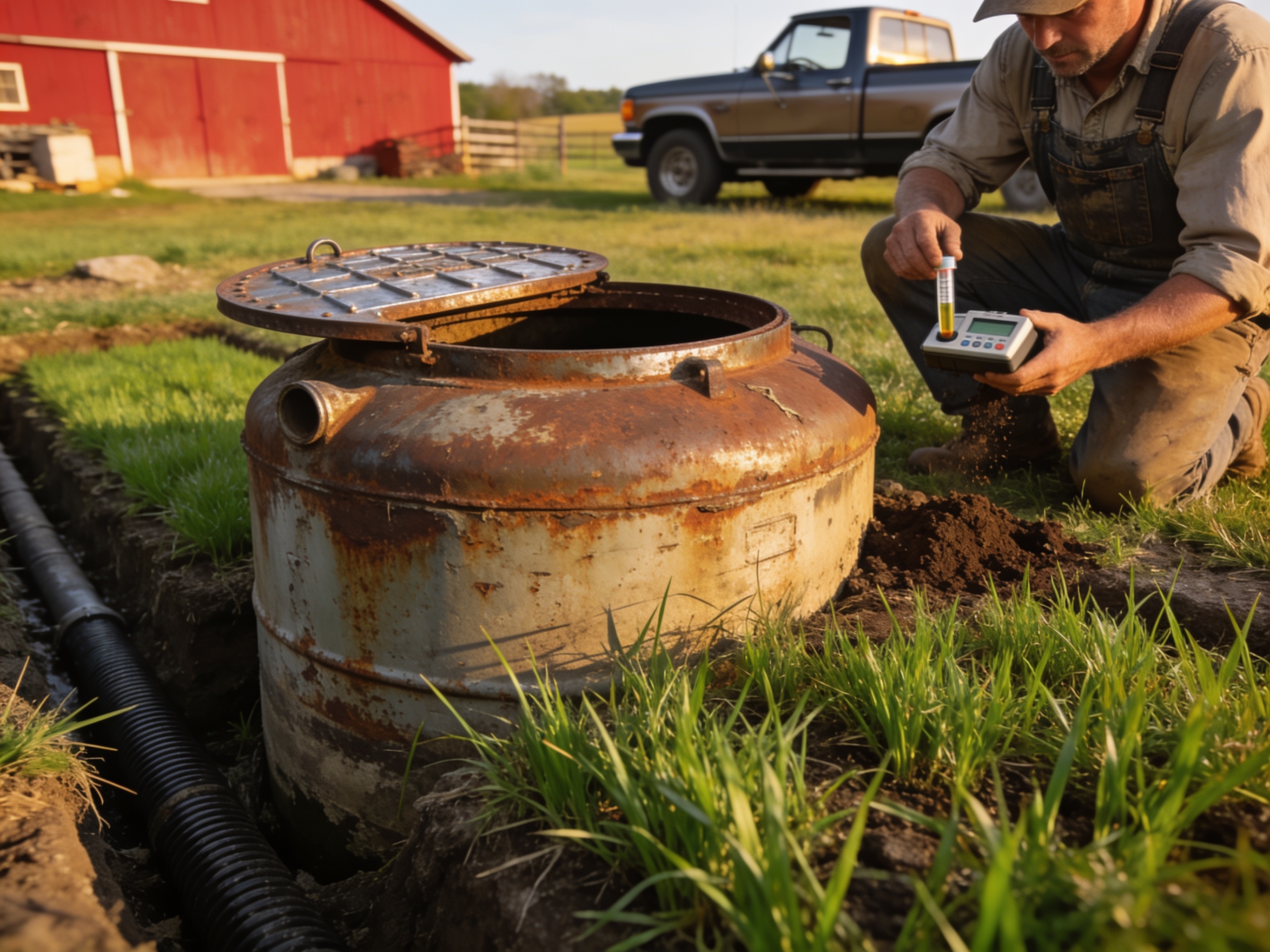
For rural properties across Missouri, from the rolling hills of Augusta to the expansive farmlands near Grain Valley, proper drain care is absolutely critical for the health and longevity of your septic system. Unlike homes in cities like Kansas City or Saint Louis with municipal sewer connections, everything you flush or pour down your drains directly impacts your septic tank and drain field. Neglecting drain care can lead to premature septic system failure, costing anywhere from $5,000 to $20,000 or more for repairs or replacement, depending on the system size and soil conditions. The lifespan of a well-maintained septic system can be 20–30 years, but poor drain habits can cut that in half, leading to backups, foul odors, and even environmental contamination. Understanding what goes down your drains and how it affects your septic system is the first step in avoiding these expensive and unpleasant problems.
Understanding Your Septic System's Vulnerabilities
Septic systems are essentially miniature wastewater treatment plants right on your property. They consist of a septic tank, where solids settle and liquids partially treat, and a drain field (also known as a leach field or absorption field), where the treated liquid effluent is dispersed into the soil. The delicate balance of bacteria in your septic tank is crucial for breaking down waste. Harsh chemicals, excessive grease, and non-biodegradable items can kill these beneficial bacteria, leading to a buildup of solids and eventual system overload. In the Across Missouri area, especially with our clay-heavy soils in some regions, a compromised drain field can quickly become saturated, leading to standing water, foul odors, and even sewage backing up into your home. This is why proactive drain care is not just about convenience, but about protecting your entire property and investment.
The Golden Rule: What NOT to Flush or Pour
This is arguably the most important aspect of septic system drain care. Many common household items seem harmless but can wreak havoc on your system. Think of your septic tank as a living ecosystem; anything that disrupts it will cause problems. Here's a list of major culprits to avoid:
- Grease, Fats, and Oils (GFO): These solidify in pipes and the septic tank, creating clogs and forming a scum layer that's difficult for bacteria to break down. Even small amounts accumulate over time. Always dispose of GFO in the trash.
- "Flushable" Wipes: Despite their label, these do not break down like toilet paper and are a leading cause of clogs in pipes and septic systems. They can tangle pumps and block effluent filters.
- Harsh Chemicals: Bleach, drain cleaners with lye, strong disinfectants, and excessive antibacterial soaps can kill the beneficial bacteria in your septic tank. Opt for natural or septic-safe cleaning products.
- Feminine Hygiene Products, Diapers, and Cotton Swabs: These items are non-biodegradable and will clog pipes and fill your septic tank prematurely.
- Coffee Grounds and Food Scraps: While some food waste can be processed by a garbage disposal, excessive amounts can overwhelm the septic system, especially coffee grounds which are very slow to decompose.
- Medications: Pharmaceuticals can harm the bacterial ecosystem in your septic tank and contaminate groundwater. Dispose of old medications properly through take-back programs.
Smart Habits for Healthy Drains and Septic Systems
Beyond avoiding harmful items, adopting smart daily habits can significantly extend the life of your septic system. These practices are especially important for homes in rural areas like those around New Melle or Foristell, where septic systems are the norm. One key habit is to spread out your water usage. Doing several loads of laundry or taking multiple long showers back-to-back can flood your septic system, not giving the tank enough time to process waste effectively. Try to space out heavy water-use activities throughout the day or week. For instance, doing one load of laundry in the morning and another in the evening is better than doing three consecutively.
Another smart habit is to fix leaky faucets and running toilets promptly. A continuously running toilet can send hundreds of gallons of water into your septic system unnecessarily, leading to hydraulic overload. Similarly, promptly addressing a /services/slow-draining-sink or /services/gurgling-drain can prevent minor issues from escalating into major septic problems. Regularly checking for these small leaks can save you a lot of headaches and expense down the line. Remember, every drop of water that goes down your drain eventually ends up in your septic system.
Professional Maintenance: Your Septic System's Best Friend
Even with the best daily habits, your septic system requires professional attention. Regular septic tank pumping is essential to remove the accumulated solids that beneficial bacteria cannot break down. The frequency depends on your household size, water usage, and septic tank capacity, but generally, it's recommended every 3–5 years. Neglecting pumping can lead to solids flowing into your drain field, causing irreversible damage and requiring expensive repairs. During pumping, a professional can also inspect the tank, baffles, and effluent filter for any issues.
Beyond pumping, consider a /services/drain-camera-inspection every few years, especially if you experience recurring issues like a /services/recurring-drain-clogs. This allows us to visually inspect your drain lines for any blockages, root intrusion, or pipe damage that could impact your septic system. While we don't perform septic tank pumping, we frequently work with homeowners across Missouri, from West Alton to Lake Saint Louis, to address drain issues that can compromise septic system health. Proactive maintenance is always more cost-effective than emergency repairs.