
2026-10-08 · Mike Henderson
Handling Grease Buildup in Restaurant Drains Around Kansas City
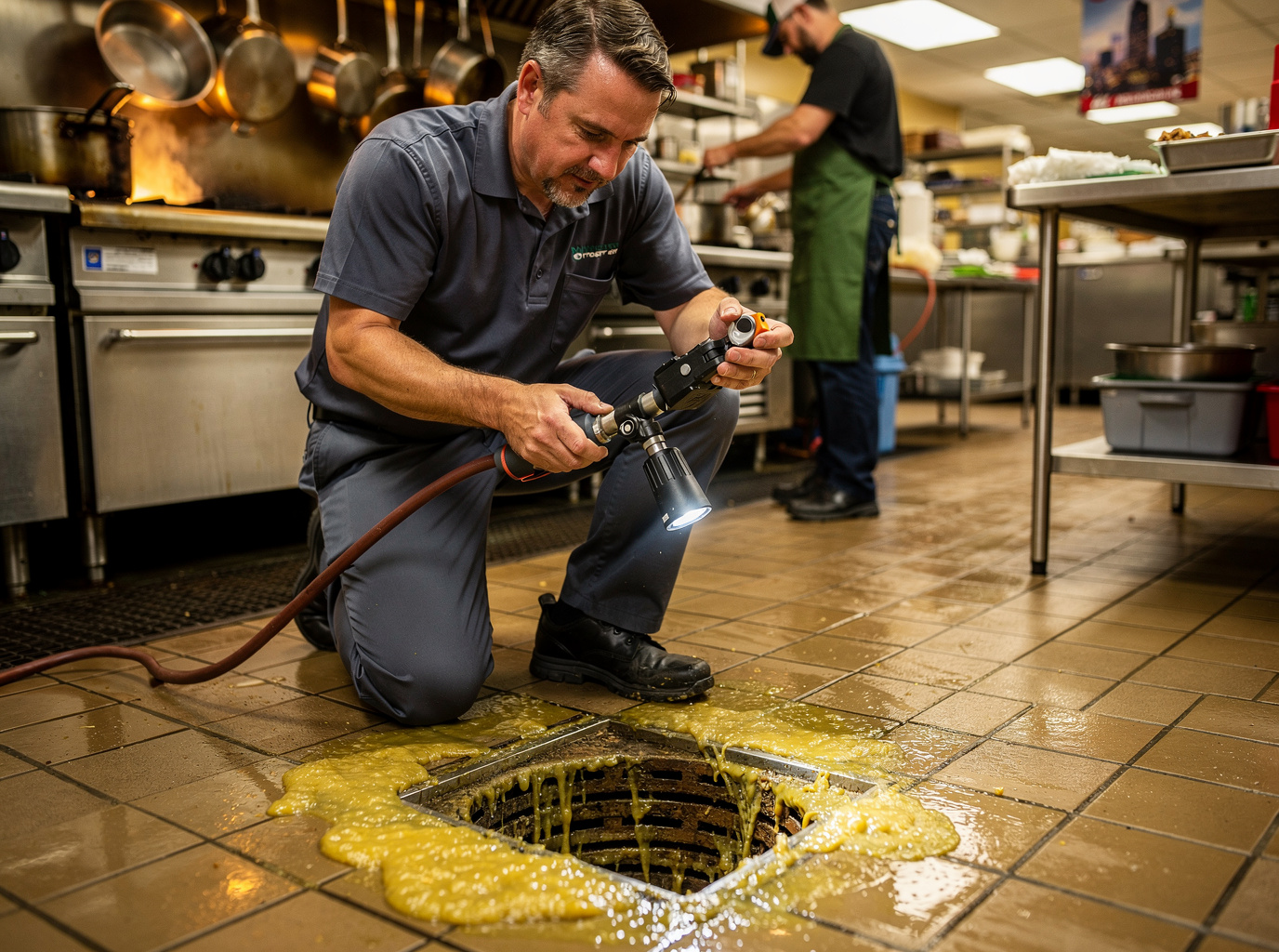
Handling grease buildup in restaurant drains around Kansas City requires a proactive and consistent approach, primarily focusing on preventing fats, oils, and grease (FOG) from entering the plumbing system. While daily best practices can mitigate much of the issue, regular professional intervention, especially through methods like hydro jetting, is often necessary to fully clear accumulated grease and maintain optimal drain function. Expect to implement a combination of physical FOG removal, enzyme treatments, and scheduled deep cleaning to keep your kitchen running smoothly and avoid disruptive, expensive emergencies.
The Unique Challenges of Grease in Kansas City Restaurants
Restaurants across the Kansas City metropolitan area, from the bustling Power & Light District to the historic River Market, face specific challenges when it comes to grease management. The sheer volume of cooking oils and fats used in diverse cuisines, from BBQ joints to fine dining establishments, means FOG is a constant presence. These substances, when cooled, solidify and cling to pipe walls, gradually constricting the flow. This problem is exacerbated in older buildings, common in areas like Westport or the Crossroads Arts District, which often have cast iron pipes that are more susceptible to internal corrosion and rough surfaces where grease can easily adhere. The fluctuating temperatures throughout the year in Missouri can also play a role; colder winter months can cause FOG to solidify more rapidly in unheated drain lines, accelerating buildup.
Furthermore, the interconnected nature of commercial plumbing systems means a clog in one area can quickly impact others, leading to widespread issues. A slow drain in the dishwashing station can quickly escalate to a full kitchen shutdown if not addressed. The high demands of a busy restaurant kitchen mean there's little tolerance for downtime, making effective grease management not just a maintenance task, but a critical operational necessity. Ignoring these issues can lead to severe blockages, requiring emergency services and potentially costly repairs, impacting both reputation and revenue.
Daily Preventative Measures for Kitchen Staff
The first line of defense against grease buildup begins with your kitchen staff and their daily routines. Implementing strict protocols for FOG disposal is paramount. This includes scraping plates thoroughly into waste bins before washing, never pouring cooking oils down sinks, and using grease traps effectively. Even seemingly small amounts of grease, when accumulated over time from multiple sources, can create significant problems. Educating staff on the impact of their actions on the plumbing system is crucial.
Beyond proper disposal, regular cleaning of sinks and floor drains with hot water and appropriate degreasers can help break down minor grease accumulations before they become solid blockages. Ensuring that grease traps are emptied and cleaned regularly – typically every 1 to 3 months depending on the volume of FOG produced – is also a non-negotiable step. Overfilled grease traps are ineffective and can allow FOG to bypass the trap entirely, flowing directly into your main sewer lines. For more severe or recurring issues, especially those causing recurring drain clogs, professional intervention will be necessary.
The Role of Professional Drain Cleaning Services
While daily prevention is vital, it's rarely enough to completely prevent grease buildup in a high-volume commercial kitchen. This is where professional drain cleaning services become indispensable. For restaurants in the Across Missouri area, regular scheduled maintenance can prevent costly and disruptive emergencies. One of the most effective methods for tackling stubborn grease is hydro jetting. This technique uses high-pressure water, often exceeding 4,000 PSI, to scour the inside of pipes, effectively removing years of accumulated FOG, scale, and other debris that traditional snaking might miss or only partially clear. This leaves pipes thoroughly cleaned and restored to their original diameter, significantly reducing the likelihood of future blockages.
Another critical service is a drain camera inspection. Before and after hydro jetting, or when diagnosing a persistent problem, a camera can provide a clear view of the pipe's interior. This allows technicians to identify the exact location and nature of blockages, assess the condition of the pipes, and confirm the effectiveness of the cleaning. For restaurants in older buildings, particularly those in areas like the Historic Northeast or parts of Independence, these inspections are crucial for identifying deteriorating pipes or potential structural issues that could contribute to drainage problems.
Understanding Grease Traps and Interceptors
Grease traps and grease interceptors are essential components of any commercial kitchen's plumbing system, designed specifically to prevent FOG from entering the municipal sewer lines. These devices work by slowing down the flow of wastewater, allowing FOG (which is lighter than water) to rise to the surface and solidify, while solids settle to the bottom. The treated water then continues to the sewer system. Proper sizing and regular maintenance are critical for their effectiveness. An undersized grease trap for a busy restaurant, for example, will quickly become overwhelmed and ineffective, allowing FOG to escape.