
2026-10-08 · Mike Henderson
Preparing Yard Drains Before Missouri's Fall Leaf Drop
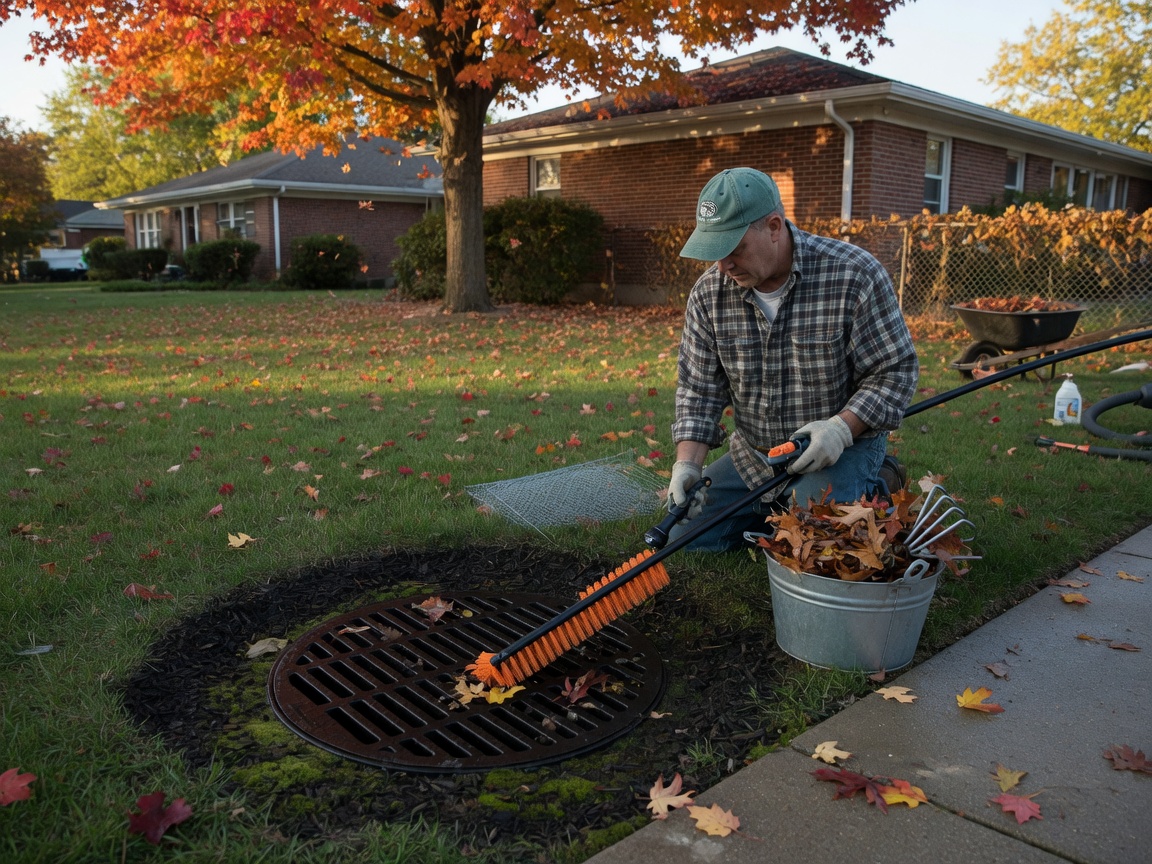
Preparing your yard drains before Missouri's fall leaf drop is absolutely essential to prevent significant drainage issues and potential property damage. The sheer volume of leaves, especially from mature oaks and maples common across the Across Missouri area, can quickly overwhelm and clog outdoor drainage systems. Neglecting this annual task can lead to standing water in your yard, foundation issues, and even water backing up into house through basement floor drains if your exterior drainage is compromised. The best time to start this preparation is in late September or early October, just as the leaves begin to turn but before the heaviest fall. This gives you a window to clear existing debris and install preventative measures before the onslaught of autumn foliage.
Understanding the Local Impact of Fall Foliage on Drains
Across Missouri, we experience a vibrant but heavy fall season. The rich, clay-heavy soils common in many areas, particularly around places like Kansas City, MO and Independence, MO, don't absorb water as quickly as sandy soils. When coupled with clogged yard drains, this can lead to significant puddling and saturation. The deciduous trees, from the towering pin oaks that line many suburban streets to the sycamores near the Missouri River, shed an immense amount of organic matter. This isn't just about leaves; it includes twigs, seeds, and even small branches that can create dense, matted blockages in gutters, downspouts, and underground drain lines. Ignoring these can quickly escalate a minor blockage into a major main sewer line clog if the yard drains connect to your main system, or at least a messy, standing water problem in your yard.
Essential Tools and Materials for DIY Drain Prep
Before you dive into cleaning, gather the right tools. You'll need sturdy work gloves, a rake (a leaf rake is ideal), a broom, a garden hose with a strong nozzle, and potentially a small trowel or shovel for digging out compacted debris. For inaccessible drains or those with grates, a drain snake or a plumbing auger can be incredibly useful. If you plan on installing guards, have those on hand along with any necessary fasteners. For those considering more advanced cleaning, a pressure washer can be highly effective for flushing out stubborn accumulations, but always exercise caution to avoid damaging drain lines. Remember, while some tasks are DIY-friendly, deeper or more persistent clogs might require professional intervention like hydro jetting to truly clear the lines.
Step-by-Step Guide to Preparing Your Yard Drains
1. Clear Visible Debris
Start by raking and sweeping away all leaves, twigs, and other organic matter from around your drain grates, storm drains, and downspout exits. Pay close attention to areas under large trees, which are often the biggest culprits. Don't just clear the immediate vicinity; extend your efforts 5–10 feet out from each drain to prevent new debris from washing in with the first rain. For catch basins, carefully remove the grate and scoop out any accumulated sludge, dirt, or leaves by hand. This initial step is the most straightforward but often the most impactful.
2. Flush the Drain Lines
Once the visible debris is removed, use a garden hose with a strong nozzle to flush water down each drain. This helps push through smaller blockages and verifies that water is flowing freely. Listen for the sound of water moving through the pipes; any gurgling or slow drainage indicates a partial clog. If you notice slow drainage, a simple drain snaking might be all that's needed to clear the path. For underground drains, ensure the water exits at the designated discharge point, whether that's a pop-up emitter in your yard or a connection to the municipal storm sewer system.
3. Inspect and Repair Damaged Drains
While cleaning, take the opportunity to inspect your drain grates and pipes for any damage. Cracked grates should be replaced to prevent larger debris from entering the system. Look for signs of shifting pipes or loose connections, especially in older homes common in established Across Missouri neighborhoods. If you suspect an underground pipe issue, a drain camera inspection can pinpoint the problem without destructive digging, revealing issues like cracks, disconnections, or even tree roots in sewer line that might be encroaching.