
2026-10-08 · Mike Henderson
Safe DIY Steps for Clearing a Slow Kitchen Sink in Columbia
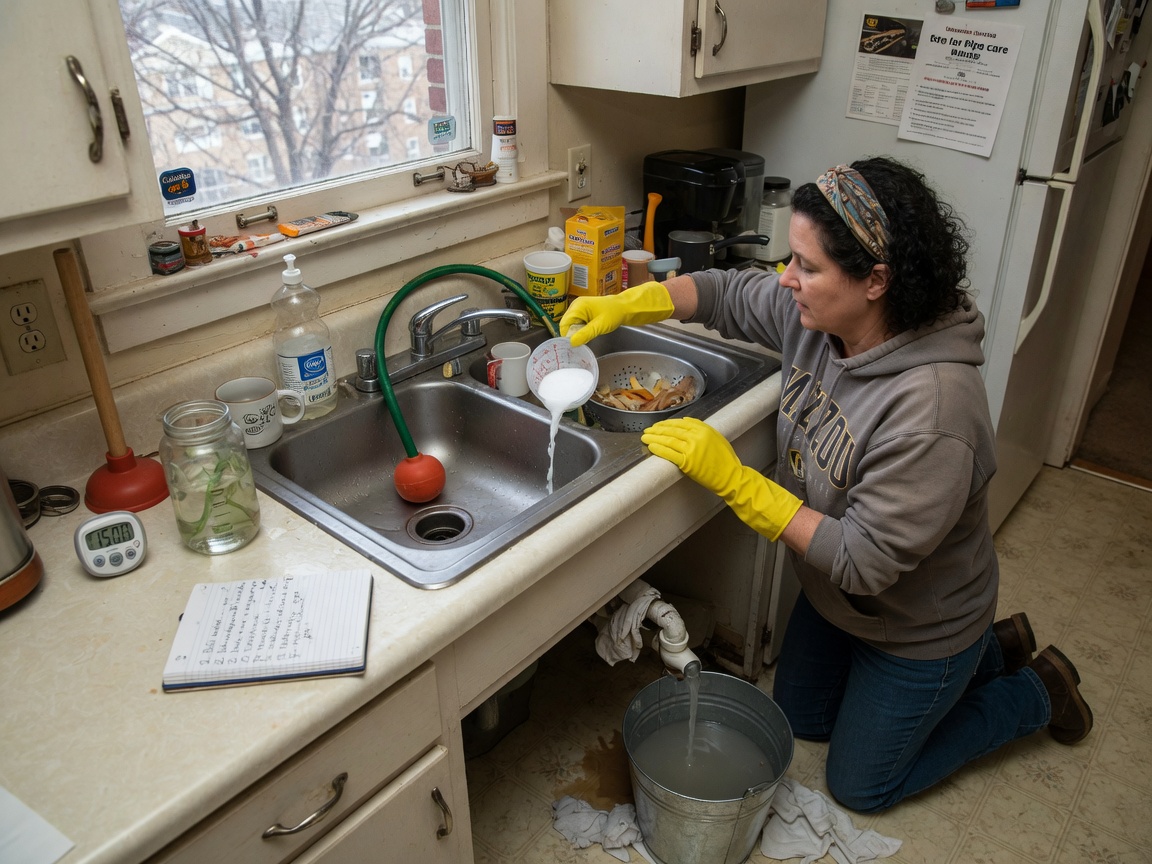
Clearing a slow kitchen sink in Columbia often involves a few safe, DIY steps that can resolve the issue within 30-60 minutes, using items you likely already have at home. For minor grease and food particle blockages common in many older homes around the historic downtown area or even newer developments near Rock Bridge State Park, a combination of hot water, baking soda, and vinegar can often break down the clog. If that doesn't work, a plunger is your next best bet, followed by carefully cleaning the P-trap. These methods are generally safe and effective for the kinds of everyday clogs we see across the Across Missouri area, but it's crucial to know when to call in a professional to prevent further damage, especially if you suspect a deeper issue within your home's plumbing system or the main sewer line.
Understanding Common Kitchen Sink Clogs in Columbia
Kitchen sink clogs in Columbia, much like anywhere in Across Missouri, are predominantly caused by a buildup of grease, food particles, and soap scum. Over time, these materials accumulate on the inner walls of your drain pipes, narrowing the passage and eventually leading to slow drainage or a complete blockage. In older homes, particularly those built before the 1970s and found in neighborhoods like Old Southwest or near the University of Missouri campus, cast iron pipes can be more susceptible to this buildup due to their rougher interior surfaces. Even in newer construction, however, improper disposal of cooking oils and fats is the leading culprit. Unlike bathroom sinks, which often deal with hair and toothpaste, kitchen sinks face a constant barrage of organic waste, making them uniquely prone to these types of blockages. Understanding the nature of these clogs is the first step in effectively clearing them.
Gathering Your DIY Drain Clearing Tools
Before you begin, make sure you have the necessary tools and protective gear. Safety should always be your top priority when dealing with plumbing, even for simple DIY tasks. For most kitchen sink clogs in Columbia, you won't need specialized equipment, but having these items on hand will make the process much smoother and safer. Always wear rubber gloves to protect your hands from grime and potential bacteria, and have some old towels or rags ready to catch any spills. A bucket is essential for catching water when you disassemble the P-trap. For the actual clearing, you'll need a plunger, baking soda, white vinegar, and a strong source of hot water, like a kettle or your tap. Avoid chemical drain cleaners, as they can be corrosive to pipes and pose health risks, especially in older homes with potentially delicate plumbing systems.
Step-by-Step: The Hot Water, Baking Soda, and Vinegar Method
This method is a gentle yet effective first line of defense for minor clogs caused by grease and organic matter. First, boil a large pot of water (about 1–2 liters) and carefully pour it down the drain. This helps to loosen and melt any grease. Wait a few minutes, then pour 1 cup of baking soda down the drain, followed immediately by 1 cup of white vinegar. The chemical reaction between baking soda and vinegar creates a fizzing action that can help break down the clog. You'll hear and see the fizzing – this is normal. Cover the drain with a stopper or a plate to contain the reaction and let it sit for 30 minutes to an hour. Finally, flush the drain again with another pot of hot water. This method is particularly useful for the types of clogs that accumulate from daily cooking in homes across Across Missouri, from the bustling kitchens in Columbia to quieter residences in surrounding areas.
Using a Plunger Effectively on a Kitchen Sink
If the baking soda and vinegar method doesn't fully clear the drain, a plunger is your next tool. Ensure you have a cup-style plunger, which is most effective for sinks. First, remove any strainers or stoppers from the sink. If you have a double sink, you'll need to seal off the other drain opening with a wet rag or stopper to create a strong vacuum. Fill the clogged sink with enough water to submerge the plunger's rubber cup. Position the plunger firmly over the drain opening, ensuring a tight seal. Plunge vigorously for about 15–20 seconds, maintaining the seal. Then, quickly pull the plunger up to break the seal. Repeat this process 2–3 times. The suction and pressure created by the plunger can dislodge many common kitchen sink clogs. Remember, consistent pressure is key for effective plunging. If your drain is still slow after plunging, you might have a more stubborn clog, possibly requiring a look at the P-trap or even a professional drain snaking service. Learn more about professional drain snaking at our service page: [/services/drain-snaking].
Cleaning the P-Trap Under Your Sink
If plunging doesn't work, the clog might be located in the P-trap, the U-shaped pipe directly under your sink. This section is designed to hold a small amount of water to prevent sewer gases from entering your home, but it's also a common collection point for debris. Before you start, place a bucket directly under the P-trap to catch any water and debris. Using adjustable pliers or a wrench, carefully loosen the slip nuts on both ends of the P-trap. Be prepared for water to spill out. Once loosened, remove the P-trap and inspect its interior. You'll likely find a buildup of grease, food particles, and other debris. Use a stiff brush or an old coat hanger to clear out any blockages. Rinse the P-trap thoroughly in another sink or outside, then reassemble it, ensuring the slip nuts are hand-tightened first, then given a quarter-turn with pliers to prevent leaks. Run water to check for leaks and proper drainage. This is a common solution for many homes in the Across Missouri area, especially those with older plumbing systems.